
Introduction
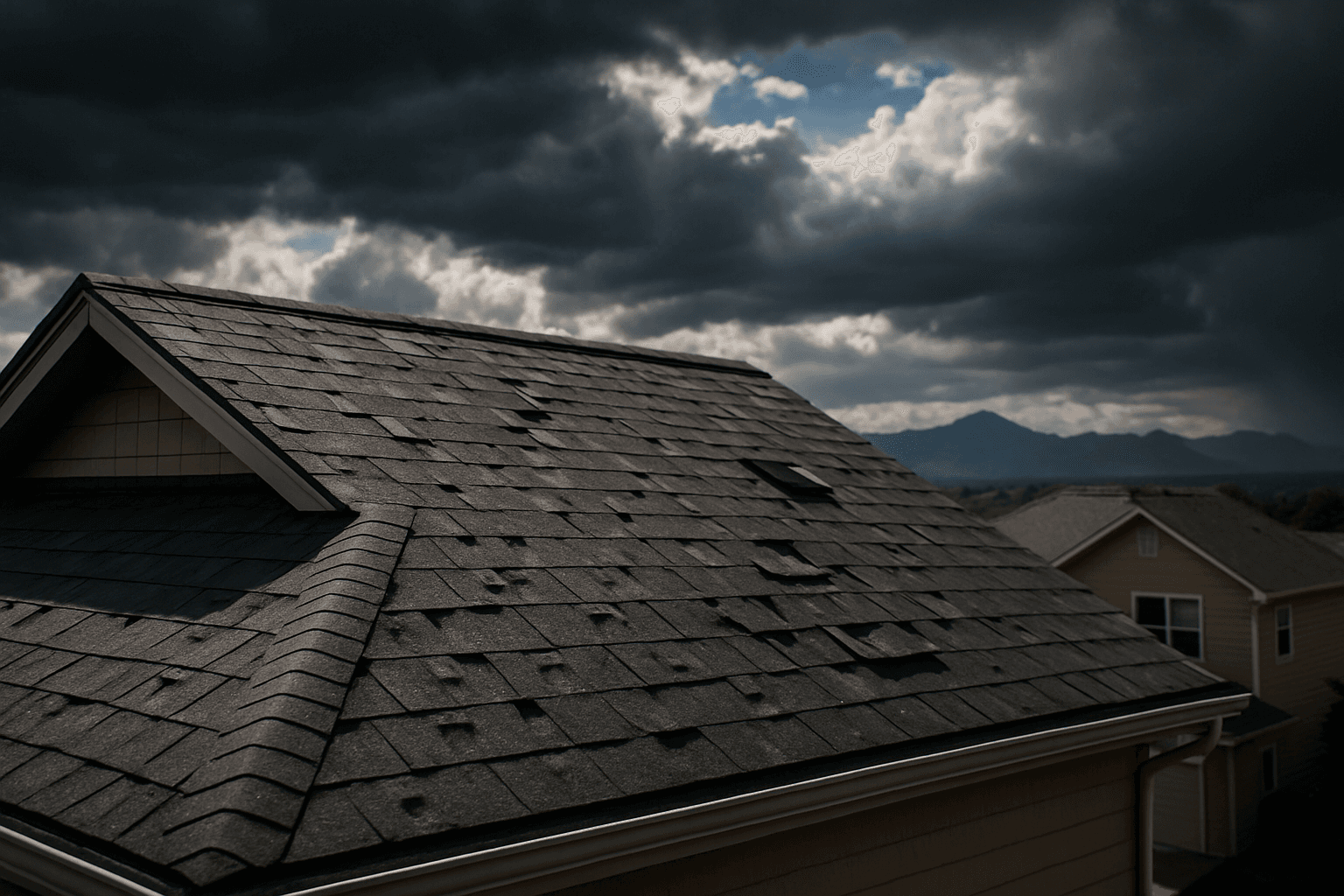
Hail storms can be a real headache for homeowners in Denver, and unfortunately, we get our fair share of them. The recent weather reports from NOAA indicate significant hail activity in the area, which means it’s essential to take quick action after a storm. You might be wondering: what’s the best way to ensure my roof is still in good shape? A comprehensive post-hail storm roof inspection is your best bet. Let’s break down the essential steps to protect your Denver roof and keep your home safe.
Inspect the Exterior
After a hail storm, the first thing you want to do is to check your roof from the ground. You don’t need to be a roofing expert to spot some obvious damage. Here are some key things to look for:
- Missing Shingles: Look for any shingles that might be missing or displaced. If you spot any, it could lead to leaks.
- Dents and Dings: Check for visible dents or dings on your roof, gutters, and downspouts. These could be signs of hail damage.
- Granule Loss: If you see a pile of granules at the base of your downspouts, that’s a sign your shingles may have been compromised.
Document the Damage
Once you’ve done a visual inspection, it’s time to document what you find. This is crucial for insurance claims and future reference. Here’s how to do it:
- Take Photos: Snap clear pictures of any damage you see, including close-ups and wider shots of the entire roof area.
- Note the Date and Time: Write down when the storm occurred and note any relevant weather reports, like the Interactive Hail Maps for Denver.
- Create a List: Jot down specific areas of concern, such as missing shingles or areas where granules appear to be lost.
Call in the Pros for a Detailed Inspection
While a quick visual check is great, it’s always best to have a professional conduct a thorough post-hail storm roof inspection. Here’s what to expect:
- In-Depth Assessment: Professionals will climb onto your roof and look for issues that you might not see from the ground.
- Repair Recommendations: They’ll provide insights on what needs to be repaired or replaced to ensure your roof can withstand future storms.
- Insurance Guidance: Many contractors can assist you in navigating the insurance claims process, helping you get the coverage you deserve for repairs.
Know Your Rights and Options
After a hail storm, it’s important to be proactive about your options. Here are a few tips:
- Check Your Insurance Policy: Familiarize yourself with your coverage and any timelines for claims after a storm.
- Research Local Contractors: Make sure to choose a reputable contractor with experience in post-hail storm inspections. Look for reviews and ask for recommendations from neighbors.
- Stay Organized: Keep all your documentation in one place, including photos, notes, and any correspondence with your insurance company.
Conclusion
Hail storms can be unpredictable, but being prepared can save you a lot of time, money, and stress. After a storm, remember to conduct a post-hail storm roof inspection, document any damage, and consult with professionals to ensure your roof remains in top shape. For more tips and to see how we manage this process at Alpine Peak Roofing, learn more at alpinepeakroofing.com or DM us with your questions. Stay safe out there, Denver homeowners!