
Essential Tips for Documenting Roof Damage After Hail Storms in Colorado
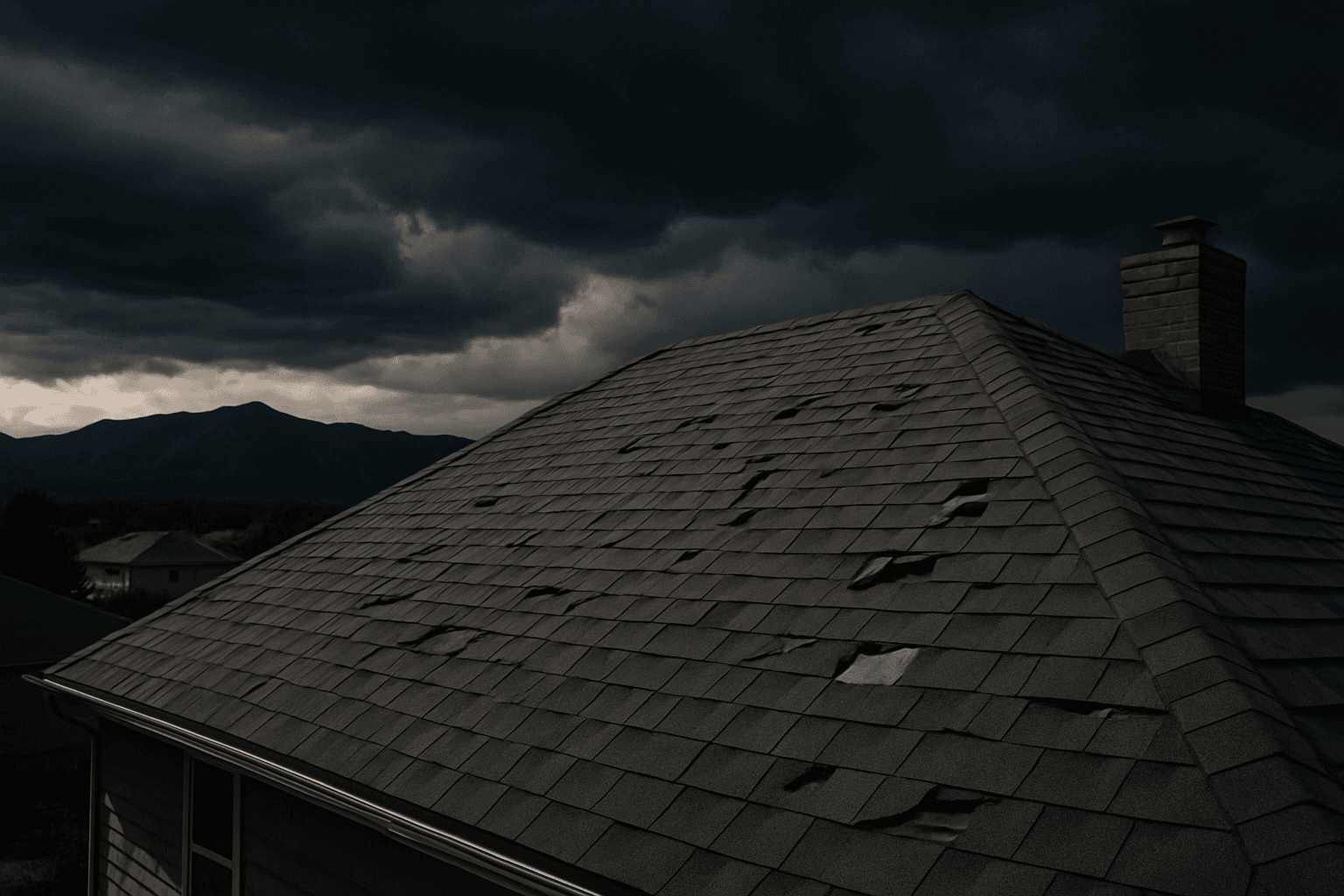
Hailstorms are no stranger to Colorado, especially during peak seasons when the skies turn dark and ominous. If you're a homeowner in the Denver metro or Front Range areas, you know that a hailstorm can leave your roof looking like it went a few rounds with a heavyweight boxer. So, what do you do after the storm passes? The first step is documenting roof damage from hail storms, and we’re here to guide you through it!
1. Inspect and Assess the Damage
Once the storm has passed, it's time to take a closer look at your roof. Here are some quick tips to help you assess the situation:
- Wait for the Storm to Pass: Safety first! Ensure the hail has stopped before heading outside.
- Use Binoculars: If you can, stand at a safe distance and use binoculars to check for visible damage. Look for dents, missing shingles, or any debris lodged on your roof.
- Check Your Gutters and Downspouts: Hail can cause not only roof damage but also impact your gutters. Look for any dents or blockages that may prevent proper drainage.
2. Document Everything
After assessing the damage, documentation is key. Here’s how to effectively document roof damage after hail storms:
- Take Photos: Use your smartphone or a camera to capture clear images of the damage. Make sure to include close-ups and wider shots to provide context.
- Date Your Evidence: Timestamp your photos to show when the damage occurred. This can be crucial for insurance claims.
- Make Notes: Write down any observations, like the size of the hail, duration of the storm, and any specific areas of damage you noticed. This information can support your claim.
3. Report to Your Insurance Company
Once you’ve documented the damage, it’s time to report it to your insurance company. Here’s a quick checklist to streamline the process:
- Gather Your Documentation: Compile your photos, notes, and any relevant weather reports. Resources like NOAA HAIL Storm Reports can provide valuable data.
- File a Claim Promptly: Most insurance policies have time limits for reporting hail damage, so don’t delay!
- Follow Up: After filing, keep a record of all communications with your insurance provider. This will help ensure your claim is processed smoothly.
Conclusion
Documenting roof damage after hail storms is crucial for protecting your investment and securing a fair insurance claim. By following these essential tips, you’ll be better prepared to navigate the aftermath of a hailstorm. Remember, Colorado's hail season can be unpredictable, but with the right documentation strategy in place, you can stay one step ahead.
Want to see how we manage this at Alpine Peak Roofing? Learn more at alpinepeakroofing.com!