
Introduction
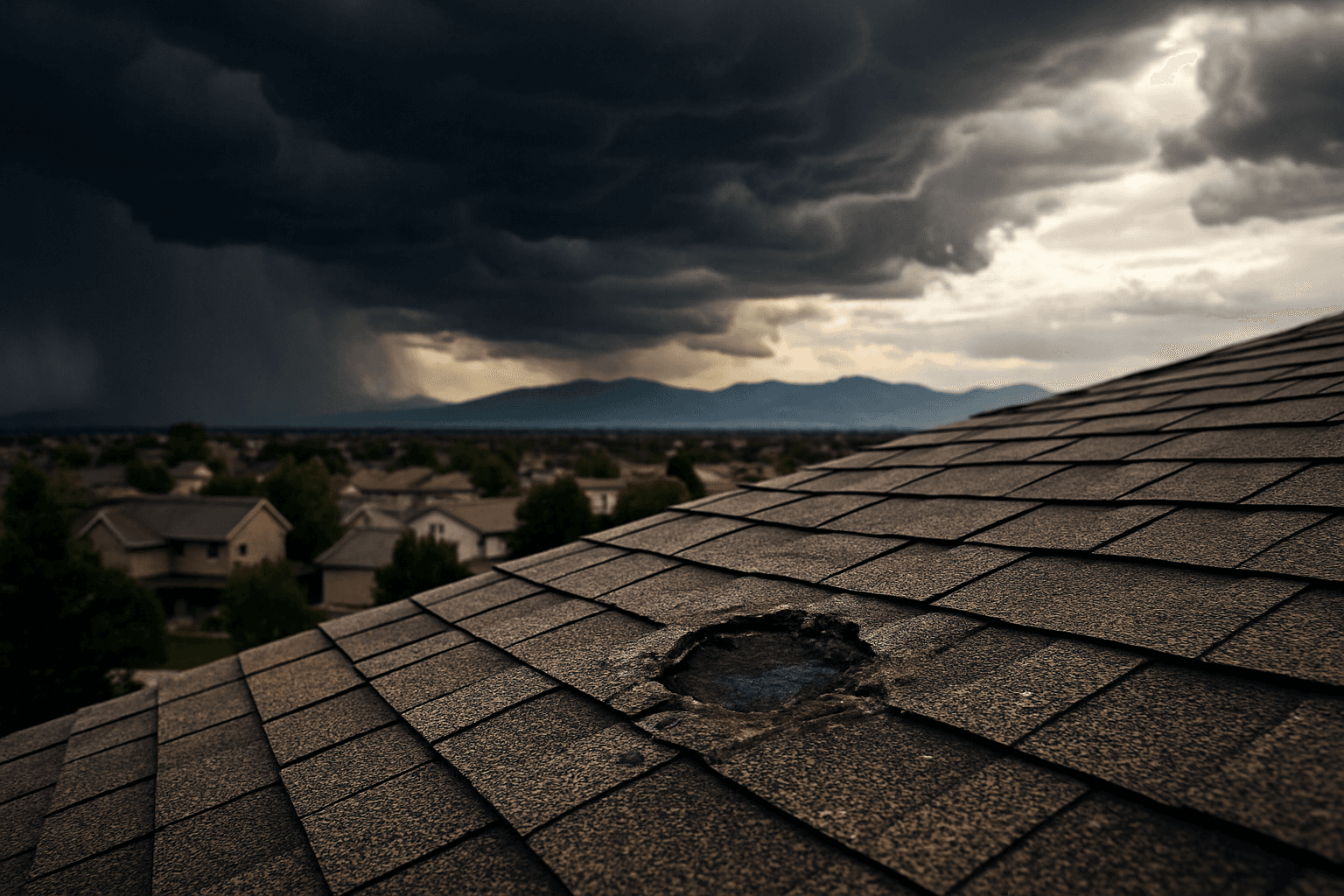
Hail storms are a common occurrence in Colorado, especially in the Denver metro area. The recent storms have brought significant hail, leading to an increase in roof damage assessments by homeowners. Knowing how to effectively assess and repair roof damage after a hail storm is crucial to maintaining your home's integrity and value. In this guide, we will walk you through the steps to evaluate your roof for damage, identify necessary repairs, and provide insight into utilizing advanced tools like the Big Dogs and Top Dogs tool belts from Agentic Personnel Solutions (APS) to streamline your assessment process.
Understanding the Impact of Hail on Roofs
Hail can cause severe damage to roofing materials, leading to leaks and other long-term issues. According to recent reports from the Coloradoan, the Denver area has experienced large hail and high winds in the past 24 hours, which can be particularly damaging to roofs, especially those made from asphalt shingles, tile, or metal.
Types of Roof Damage After Hail Storms
- Dents and Dings: Hail can create visible dents in metal roofs and damage the granules on asphalt shingles. These may seem minor but can lead to larger issues over time.
- Cracks and Holes: Larger hailstones can cause cracks or even holes in roofing materials. This type of damage is often evident and should be addressed immediately.
- Granule Loss: If you notice an excessive amount of granules in your gutters or around your home, this can indicate significant wear on your shingles, reducing their lifespan and effectiveness.
- Leaks: During heavy rains following hail storms, leaks can become apparent. These are often the most serious signs of damage and require immediate attention.
How to Perform a Roof Damage Assessment After a Hail Storm
Assessing roof damage after a hail storm involves several steps to ensure a thorough evaluation. Here’s how you can go about it:
Step 1: Safety First
Before you begin your damage assessment, prioritize safety. If your roof is steep or you are unsure about climbing it, consider hiring a professional. Use binoculars to inspect the roof from a safe distance. Look for missing shingles, significant granule loss, or obvious dents.
Step 2: Visual Inspection
Conduct a visual inspection from the ground and from any accessible areas, like a ladder or balcony. Look for:
- Missing or damaged shingles
- Cracked or broken tiles
- Dents in metal flashing or roof vents
- Water stains on your ceilings and walls inside your home
Step 3: Document Everything
Take photos of any damage you find. Documenting the condition of your roof is essential for insurance claims and for assessing the need for repairs. Use these images to show your insurance adjuster or contractor exactly what you’ve discovered.
Step 4: Use Advanced Tools
To enhance your roof damage assessment, consider utilizing APS's Big Dogs and Top Dogs tool belts. These AI-powered operations tools can help roofing contractors efficiently track the assessment process, gather data, and create reports that streamline the repair process. For homeowners, understanding how these tools work can empower you to ask the right questions when speaking with contractors.
Repairing Roof Damage: What to Do Next
Once you’ve completed your roof damage assessment after a hail storm, it’s time to take action. Here’s how to proceed:
Step 1: Consult a Professional
If your assessment reveals significant damage, it's best to consult a roofing professional. They can provide a detailed evaluation and help you understand the extent of the damage.
Step 2: File an Insurance Claim
If the damage is covered by your homeowner’s insurance, file a claim as soon as possible. Provide your insurance company with the documentation you gathered during your assessment. This can expedite the claims process.
Step 3: Schedule Repairs
Once your claim is approved, schedule the necessary repairs. Make sure to work with reputable roofing contractors who understand the unique challenges posed by Colorado's weather conditions.
Step 4: Prevent Future Damage
After repairs, consider regular maintenance and assessments to prevent future damage. Regular inspections, particularly after storms, can help catch potential issues before they escalate.
Conclusion
Assessing and repairing roof damage after a hail storm is crucial for protecting your home in Denver. With the right knowledge and tools, including those offered by APS, you can ensure your roof remains in good condition. If you want to see how we manage this process and keep roofs in top shape, learn more at alpinepeakroofing.com. Stay informed and prepared to tackle any storm damage that may come your way!