Introduction
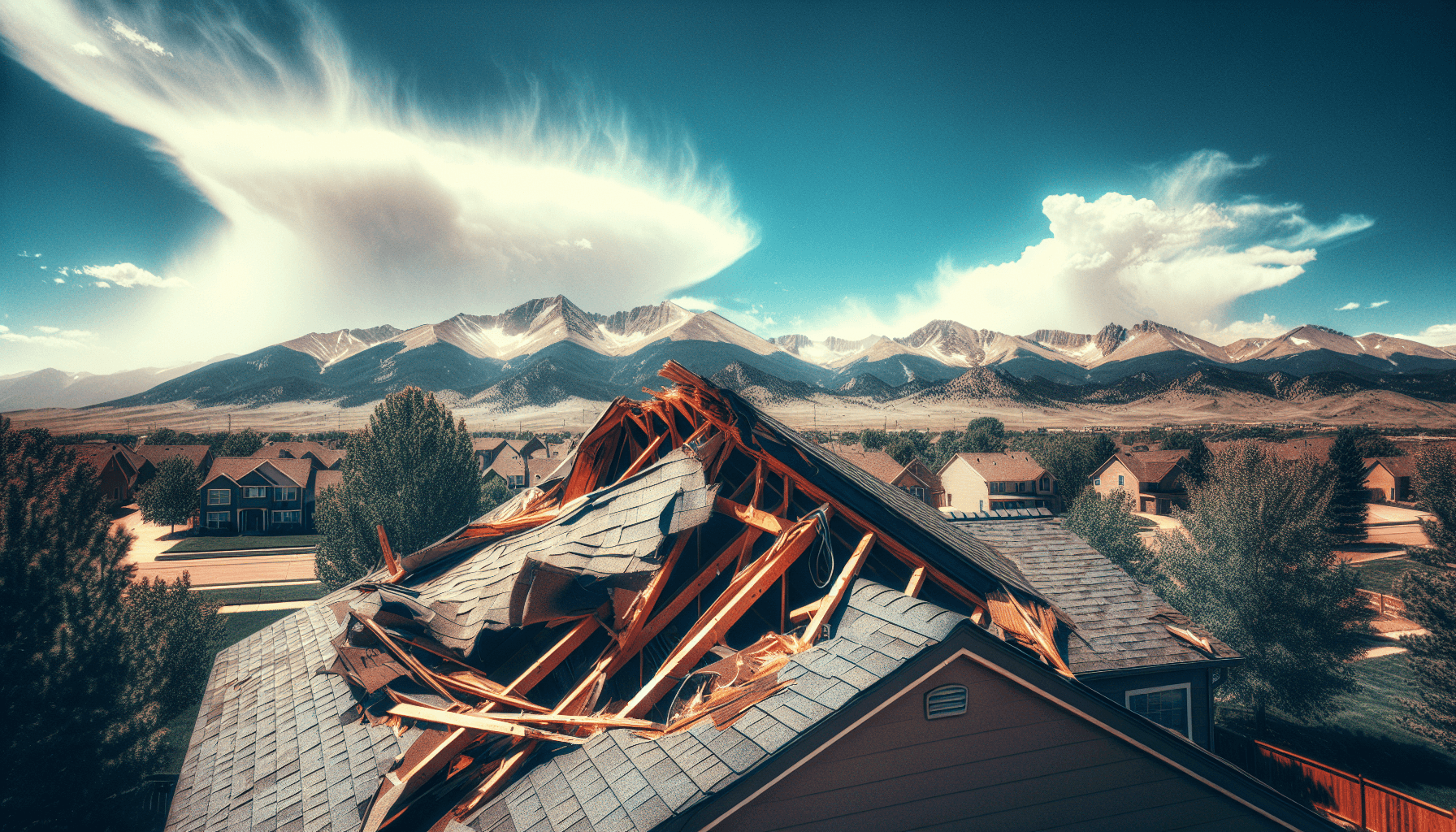
Spring in Denver is a beautiful time of year, but it also comes with its share of storms that can wreak havoc on your home’s roof. Whether it’s hail, heavy rain, or wind, assessing roof damage promptly is crucial to ensure your home remains safe and sound. This guide will walk you through the steps of conducting a roof damage assessment in Denver, helping you identify any issues and understand the best repair methods available.
Common Types of Roof Damage from Spring Storms
Understanding what types of damage your roof may have sustained during a storm is essential for effective assessment and repair. In Denver, homeowners should be particularly aware of the following common types of roof damage:
Hail Damage
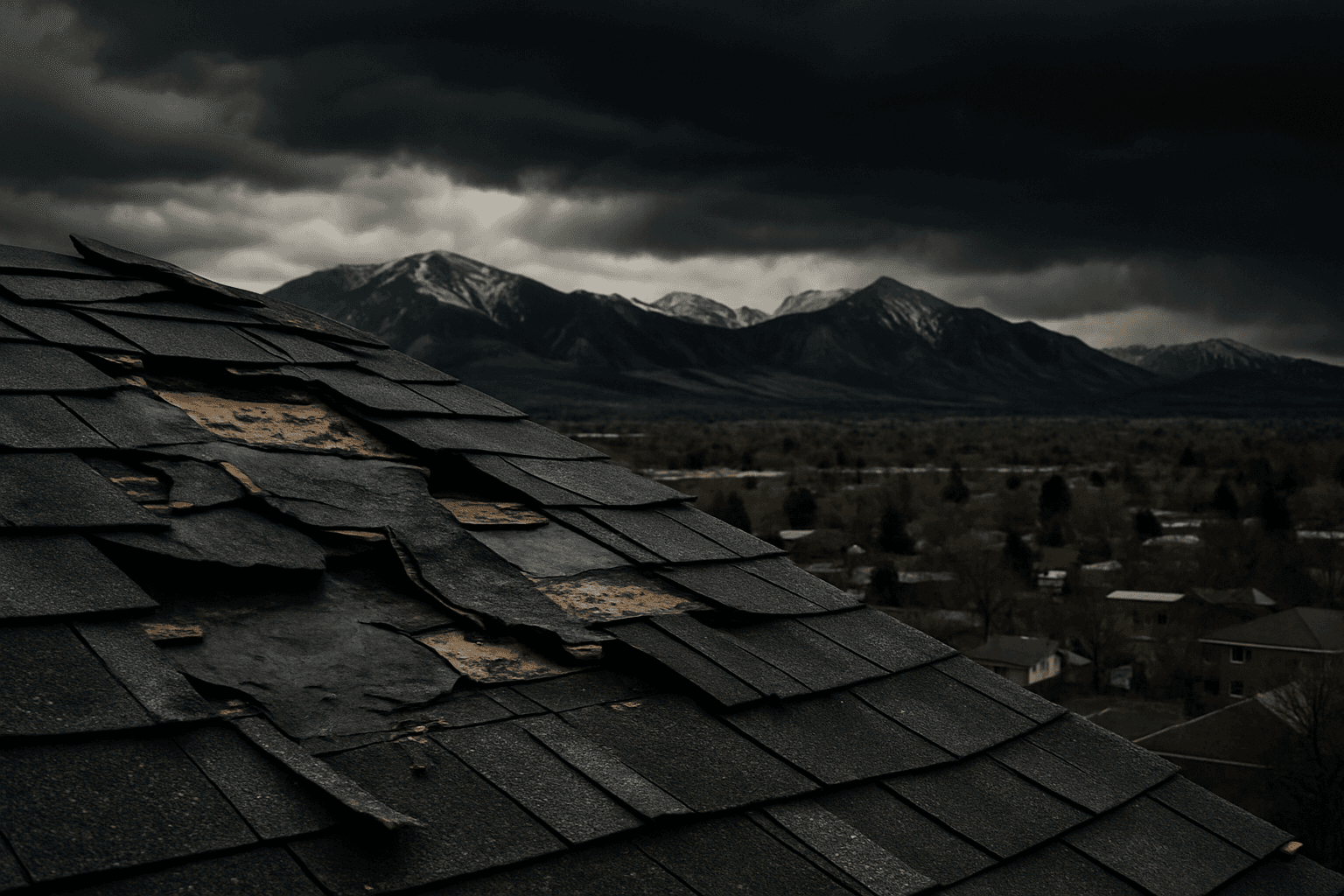
Denver experiences hail storms that can cause significant damage to roofs, especially during the spring months. Hail can dent shingles, create cracks, and even puncture roofing materials. Signs of hail damage include:
- Dents or bruises on shingles
- Granule loss, which can make shingles appear bald
- Cracks or breaks in the roofing material
Wind Damage
Strong winds can lift shingles and even tear them off, exposing your roof to further damage. Check for:
- Missing or loose shingles
- Damaged flashing around chimneys and vents
- Debris accumulation in gutters, which may indicate wind-blown materials
Water Damage
Heavy rain can lead to leaks and water damage, particularly if there are already existing vulnerabilities in your roof. Look for:
- Stains on ceilings or walls inside your home
- Mold or mildew growth
- Wet insulation in attic spaces
Steps for Conducting a Roof Damage Assessment in Denver
Once you are aware of the potential types of damage, it's time to conduct a thorough roof damage assessment. Here are the steps you should follow:
Step 1: Safety First
Before you even think about climbing onto your roof, ensure you have the appropriate safety gear. Use a sturdy ladder, wear rubber-soled shoes, and consider having someone with you to help in case of an emergency. If you are uncomfortable with heights, it is wise to contact a professional roofing company in Denver for assistance.
Step 2: Visual Inspection
Start your assessment from the ground. Use binoculars to closely inspect your roof for any visible damage. Look for:
- Missing shingles
- Curling or buckling shingles
- Damage to gutters and downspouts
Next, if safe, climb onto your roof for a closer inspection. Pay attention to areas most prone to damage, such as:
- Roof valleys
- Eaves and overhangs
- Areas around chimneys and vents
Step 3: Interior Inspection
Don’t forget to check the inside of your home as well. Inspect the attic for signs of water intrusion, such as:
- Puddles or damp spots on the insulation
- Signs of mold or mildew
- Staining on rafters or sheathing
Step 4: Document the Damage
Take photos and notes of any damage you find. This documentation will be incredibly useful for insurance claims and when discussing repairs with a roofing contractor.
Repairing Roof Damage: Best Practices
Once you’ve assessed the damage, it’s time to think about repairs. Depending on the extent of the damage, you might choose to handle minor repairs yourself or call in a professional. Here are some best practices for getting the job done:
DIY Repairs for Minor Damage
For minor issues, such as replacing a few missing shingles, homeowners may feel comfortable tackling the repairs on their own. Be sure to:
- Use materials that match your existing roof
- Follow safety guidelines and manufacturer instructions
- Consider using a sealant to prevent future leaks
Hiring a Professional
For significant damage or if you are unsure about the extent of the damage, it’s best to hire a roofing contractor in Denver. A qualified professional will provide a thorough assessment and recommend the best course of action. They can also assist with:
- Navigating insurance claims
- Ensuring that repairs meet local building codes
- Providing warranties on workmanship
Conclusion
Spring storms can leave many Denver homeowners facing the daunting task of roof damage assessment. However, understanding how to assess and address roof damage can save you time and money in the long run. From the initial inspection to considering your repair options, being proactive is essential.
If you want to see how we manage this process at Alpine Peak Roofing, or if you’re interested in learning more about our innovative tool belts powered by Agentic Personnel Solutions, learn more at alpinepeakroofing.com. Stay safe and ensure your home is protected against Colorado’s unpredictable weather!