
Introduction
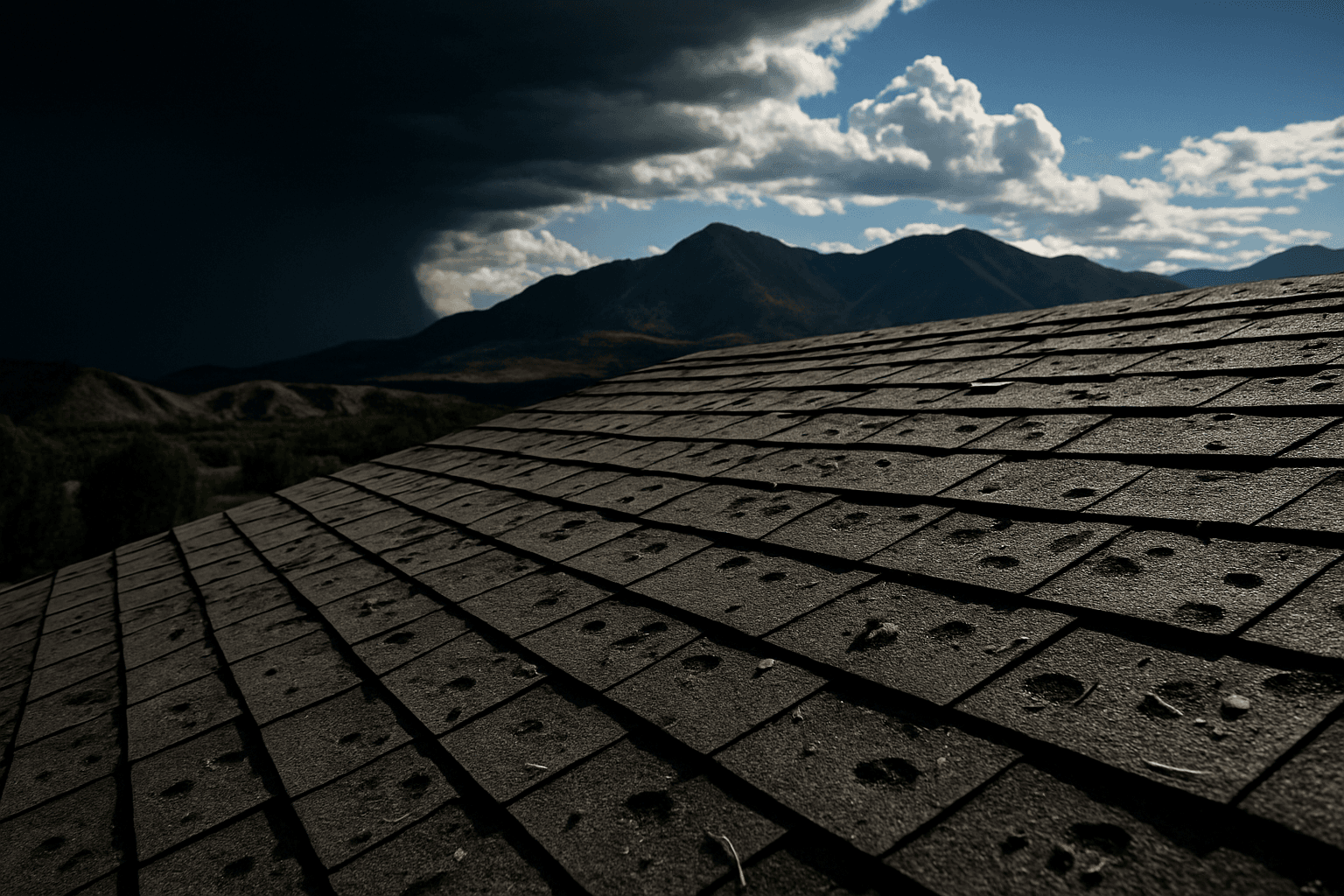
Recent storms have swept through Denver, bringing with them large hail and strong winds that can wreak havoc on your roof. As a homeowner, it’s crucial to understand how to identify hail damage and take the necessary steps to address it promptly. This guide will help you conduct a thorough hail damage inspection in Denver, ensuring your roof remains in good condition after the storm.
Understanding Hail Damage in Colorado
Hail is a common occurrence in Colorado, especially during the spring and summer months. According to the National Oceanic and Atmospheric Administration (NOAA), Colorado ranks among the top states in the United States for hail damage, with an estimated annual loss of over $300 million due to hail-related incidents.
The size of hail can vary widely, with some storms producing hailstones as large as tennis balls. The severity of the damage often correlates with the size of the hail, the intensity of the storm, and the materials used in your roofing system. Understanding these factors is crucial for homeowners in Denver looking to assess potential hail damage.
Signs of Hail Damage to Look For
After a storm, it's essential to conduct a thorough hail damage inspection in Denver. Here are the primary signs to look for:
-
Dents and Dings: Check for dents on metal roofs, gutters, and downspouts. Asphalt shingles may also show signs of bruising, which can lead to leaks if not addressed.
-
Granule Loss: Inspect your shingles for granules that may have washed away during the storm. A significant loss of granules can expose the underlying materials to UV rays and moisture, leading to further damage.
-
Cracks and Splits: Look for any visible cracks or splits in your roofing material. This is especially common in older roofs or those made from more vulnerable materials.
-
Leaks and Water Damage: If you notice any leaks in your home after the storm, it’s important to address them immediately. Even minor leaks can lead to extensive water damage if not repaired.
Conducting a Hail Damage Inspection in Denver
To perform a successful hail damage inspection, follow these steps:
-
Safety First: Before climbing onto your roof, ensure you have the proper safety gear. If you are not comfortable on a ladder or roof, consider hiring a professional to conduct the inspection.
-
Visual Inspection: Start by visually inspecting your roof from the ground. Use binoculars to look for any obvious signs of damage. Pay particular attention to the edges of the roof and areas where the roof meets walls or chimneys.
-
Physical Inspection: If it's safe to do so, climb onto your roof and conduct a physical inspection. Check for the signs mentioned earlier, focusing on areas most impacted by hail.
-
Document Your Findings: Take photos of any damage you find. This documentation will be useful when discussing repairs with your insurance company or a roofing contractor.
Addressing Hail Damage
Once you’ve completed your hail damage inspection in Denver, it’s time to address any issues you’ve identified:
-
Contact Your Insurance Provider: If you find significant damage, your first step should be to contact your insurance provider. They can guide you through the claims process and help you understand your coverage.
-
Work with a Reputable Contractor: Engage a trusted roofing contractor to assess the damage and provide a comprehensive repair plan. Look for contractors with experience in handling hail damage in Colorado. At Alpine Peak Roofing, we leverage advanced tools and analytics to manage roofing operations efficiently, ensuring high-quality results.
-
Consider Preventative Measures: After repairs are made, consider investing in preventative measures. Options like impact-resistant roofing materials can help protect your home against future hail damage.
Conclusion
In summary, conducting a hail damage inspection in Denver is critical following a storm. By knowing the signs of hail damage and how to perform a thorough inspection, you can protect your home and mitigate further issues. If you need assistance with understanding damage assessments or want to see how we manage this at Alpine Peak Roofing, visit us at alpinepeakroofing.com to learn more. Your roof is your home’s first line of defense—ensure it’s ready to withstand whatever Mother Nature throws your way.