
Introduction
Hail storms are an unfortunate reality for homeowners in Colorado, particularly in the Denver metro area and along the Front Range. With the recent news highlighting the severity of hail storms, such as those reported by HailScore and NOAA, it’s crucial to understand the process of documenting hail damage for insurance claims. Proper documentation can significantly impact the outcome of your claim and ensure you receive the compensation you deserve.
In this guide, we’ll walk you through the essential steps to effectively document hail damage, providing you with the tools and knowledge needed to navigate the insurance claims process successfully.
Understanding Hail Damage in Colorado
Colorado experiences some of the most severe hail storms in the country. According to the National Oceanic and Atmospheric Administration (NOAA), the state has recorded numerous hail events, particularly during the spring and summer months. The Denver metro area is often a hotspot for these storms, making it essential for homeowners to be prepared.
Hail can cause various types of damage to your roof, siding, vehicles, and landscaping. The size of the hailstones can vary, but even small hail can lead to significant damage if it strikes at high speeds. Understanding the potential impact of hail on your property is the first step in effectively documenting damage for insurance claims.
Step-by-Step Process for Documenting Hail Damage
1. Conduct a Thorough Inspection
After a hail storm, it’s vital to conduct a thorough inspection of your property. Here are some key areas to focus on:
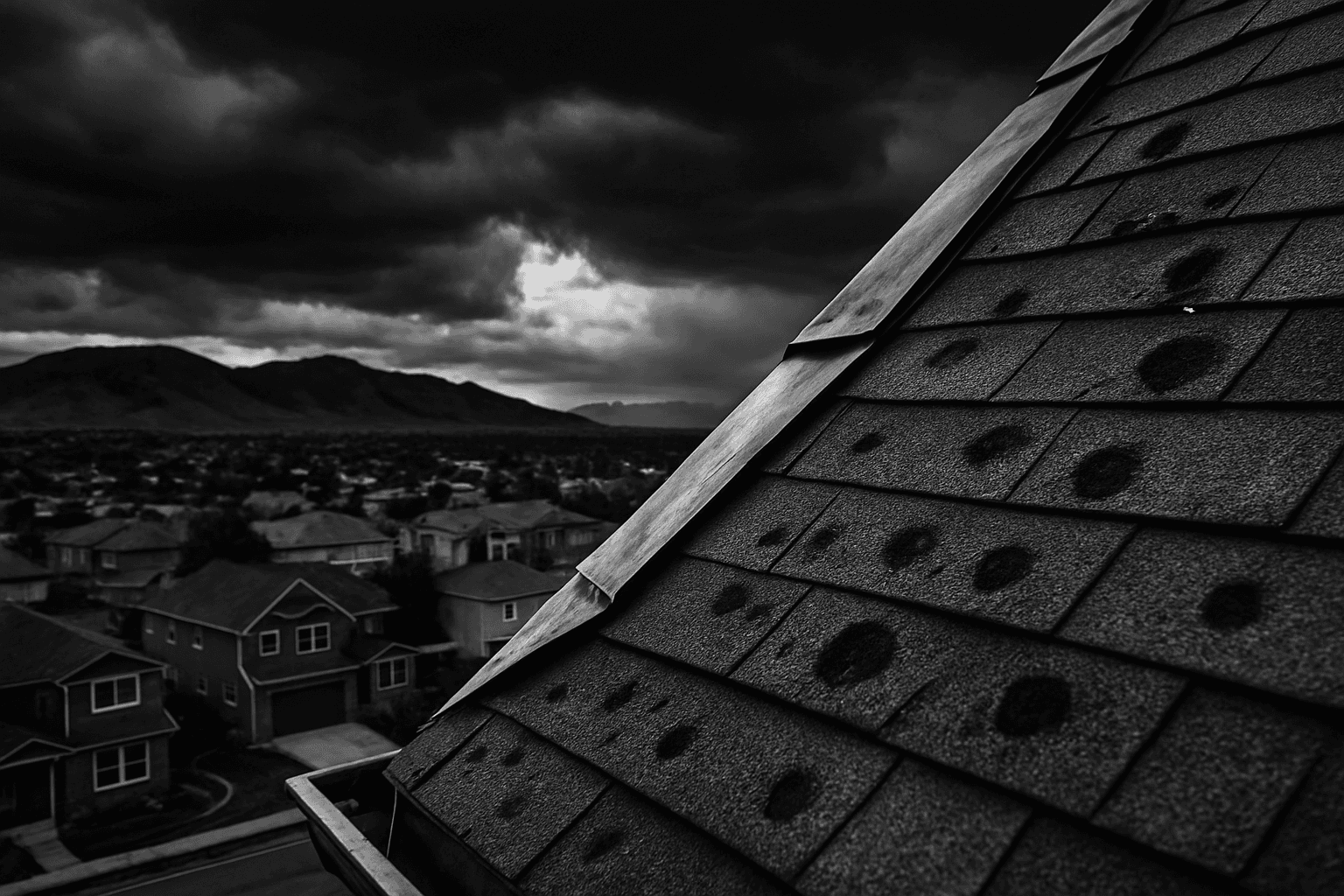
- Roof: Look for missing shingles, dents, or cracks. Use binoculars to examine hard-to-reach areas safely.
- Siding: Check for cracks, dents, or peeling paint, which may indicate damage.
- Windows: Inspect for cracks or shattered glass.
- Vehicles: Document any visible dents or damages to your cars.
2. Take High-Quality Photos
Visual evidence is crucial when documenting hail damage for insurance claims. Here’s how to capture effective photos:
- Use a Good Camera: A smartphone camera usually suffices, but make sure it’s set to the highest resolution.
- Capture Wide and Close-Up Shots: Take wide shots to show the overall damage and close-ups to document specific issues.
- Include Context: Photograph surrounding areas to provide context for the extent of the damage.
3. Document the Date and Weather Conditions
When submitting an insurance claim, it’s essential to document the date of the hailstorm and any relevant weather information. This can include:
- Date and Time of the Storm: Note when the storm occurred.
- Weather Reports: Obtain reports from reliable sources like the NOAA or local news stations that detail the hail size and storm intensity. This information can strengthen your claim.
4. Create a Detailed List of Damaged Items
Compile a comprehensive list of all damaged items, including:
- Type of Damage: Specify what was damaged (roof, siding, etc.) and the extent of the damage.
- Estimated Repair Costs: Research the cost to repair or replace each item. This can help when discussing your claim with the insurance adjuster.
- Keep Receipts: If you have made any emergency repairs, keep receipts to submit with your claim.
Communicating with Your Insurance Company
Once you’ve gathered all necessary documentation, it’s time to communicate with your insurance provider. Here are some tips to ensure a smooth process:
- Be Clear and Concise: Present your documentation in an organized manner.
- Follow Up: Don’t hesitate to follow up with your insurance adjuster. Make sure they have all the information they need to process your claim.
- Be Persistent: If you encounter any issues or delays, remain persistent but polite. Your documentation is your best asset in advocating for your claim.
Conclusion
Documenting hail damage for insurance claims is a critical step for homeowners in Colorado, especially given the frequency and severity of hail storms in the region. By following the steps outlined in this guide, you can ensure that your claim is well-supported and has a higher chance of being approved.
Remember, thorough documentation is key. If you want to see how we manage the documentation process at Alpine Peak Roofing, visit us at alpinepeakroofing.com for more insights.
DM us for any questions or further assistance in navigating the insurance claims process after a hail storm.