
Introduction
March in Denver can bring unpredictable weather, and with that, the potential for damaging hailstorms. These storms can wreak havoc on your roof, leading to leaks and structural damage if not addressed promptly. That's why a post-storm roof inspection in Denver is crucial for protecting your home. In this blog post, we will explore the importance of these inspections, what to look for, and how they can save you money in the long run.
Understanding the Risks of Hail Damage
Hailstorms are not uncommon in Colorado, especially in the spring months. According to the National Oceanic and Atmospheric Administration (NOAA), Colorado experiences some of the most intense hailstorms in the United States, with large hailstones causing extensive damage to roofs, vehicles, and landscapes. In March alone, Denver has seen significant hail events, which can result in substantial insurance claims and repair costs.
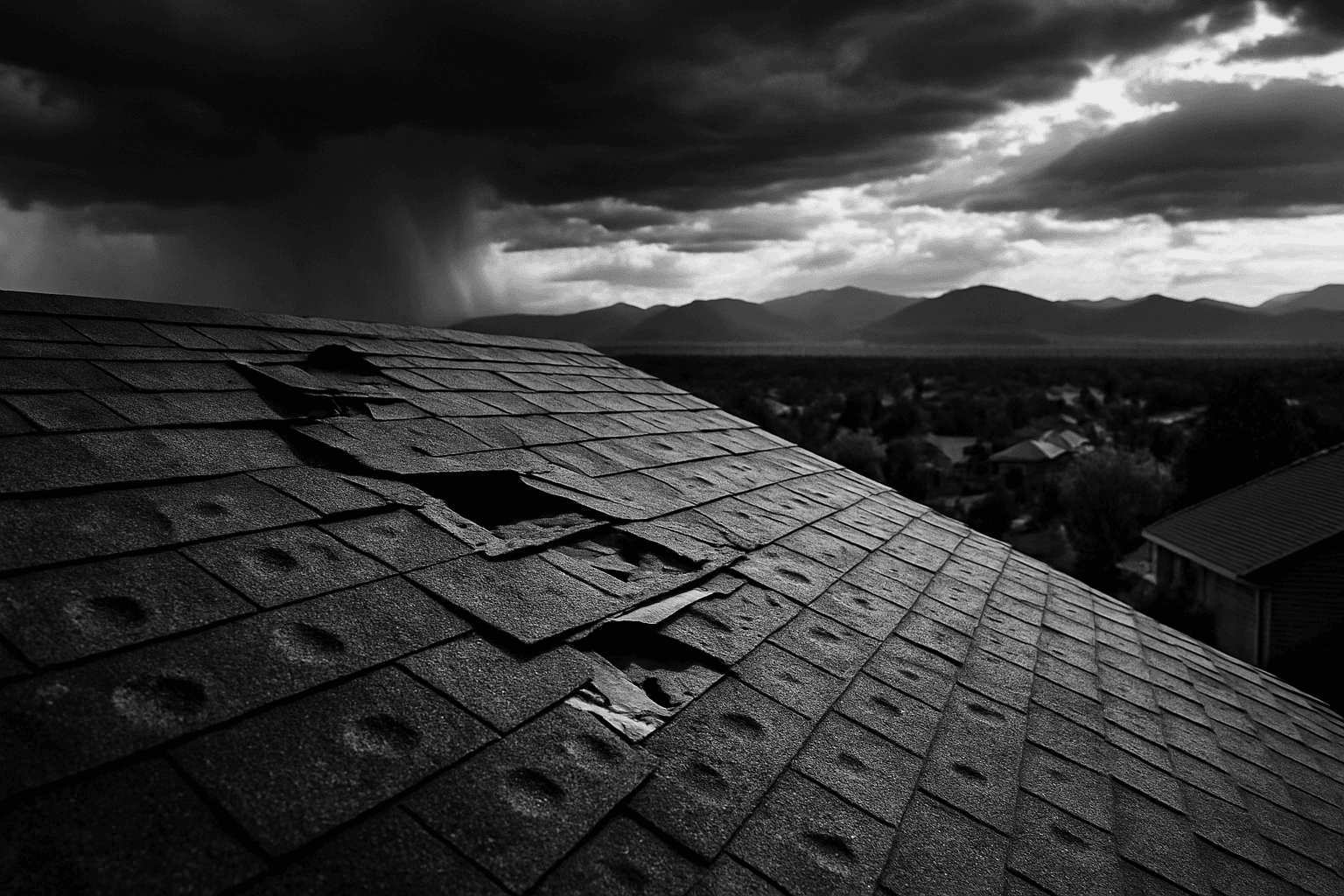
The risk of hail damage is compounded by the fact that many homeowners may not realize the extent of the damage until it’s too late. A post-storm roof inspection helps identify issues that may not be visible from the ground, including:
- Dents and cracks in shingles that can lead to leaks.
- Damaged flashing around vents and chimneys, which can compromise the roof’s integrity.
- Debris accumulation, which can trap moisture and lead to mold and rot.
Why a Post-Storm Roof Inspection is Essential
Early Detection of Damage
One of the primary reasons for a post-storm roof inspection in Denver is early detection. Storm damage can escalate quickly, and what starts as a small crack can soon lead to significant leaks and costly repairs. By having your roof inspected shortly after a storm, you can:
- Identify issues before they worsen.
- Address repairs promptly to prevent water damage inside your home.
- Preserve the lifespan of your roof by ensuring it is in optimal condition.
Insurance Considerations
In Colorado, many homeowners may not be aware of how hail damage affects their insurance policies. After a storm, it’s vital to document any damage through a thorough inspection. This can help in filing claims efficiently and ensuring you receive the compensation you deserve. Some key points to consider:
- Many insurance policies require prompt reporting of damage.
- A post-storm inspection can provide the necessary documentation to support your claim.
- Failing to report damage may result in denied claims, leaving you to cover repair costs out of pocket.
Maintaining Property Value
Your home is one of your most significant investments, and neglecting roof maintenance can diminish its value. Regular post-storm inspections ensure that your roof remains in good shape, which is crucial for:
- Preserving curb appeal.
- Avoiding costly repairs that can arise from neglect.
- Enhancing the resale value of your home when it comes time to sell.
What to Expect During a Post-Storm Roof Inspection
Comprehensive Evaluation
When you schedule a post-storm roof inspection in Denver, you can expect a comprehensive evaluation of your roof’s condition. Here’s what typically happens during the inspection:
- Visual Assessment: Inspectors will look for visible signs of damage, including missing shingles, cracks, and deterioration.
- Close Examination: Using tools and equipment, inspectors will closely examine areas that are prone to damage, such as valleys, ridges, and flashing.
- Interior Inspection: Sometimes, damage may be evident from inside your home, especially in the attic. Inspectors will check for signs of leaks, water stains, or mold growth.
- Detailed Report: After the inspection, you will receive a detailed report outlining any damage found, along with recommendations for repairs.
Use of Technology
At Alpine Peak Roofing, we utilize advanced technology and tools like Big Dogs and Top Dogs tool belts that streamline the inspection process. These tools help our inspectors gather data quickly and accurately, ensuring that no detail is overlooked. By leveraging these resources, we can provide homeowners and contractors with actionable insights to make informed decisions about repairs.
Conclusion
Post-storm roof inspections are essential for maintaining the integrity of your home, especially after the hailstorms common in Denver during March. They not only help detect hidden damage but also play a crucial role in insurance claims and property value retention. Don't wait until it's too late—ensure your roof is inspected promptly after severe weather events.
To learn more about how we manage these inspections and protect your home, visit alpinepeakroofing.com.