
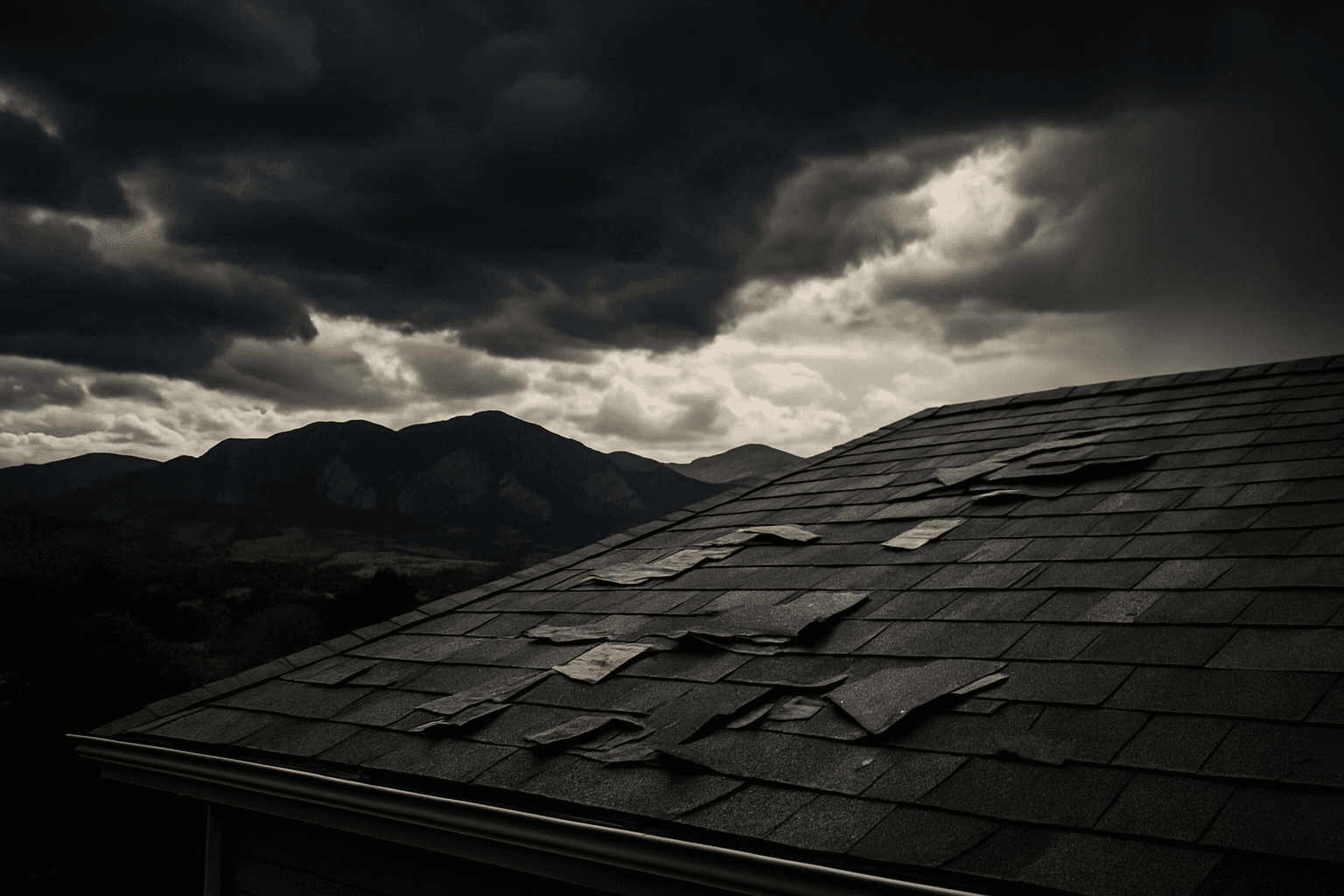
Top 5 Quick Tips for Inspecting Your Roof After March Storms in Denver
Spring in Denver means blooming flowers, warmer weather, and, of course, the potential for unpredictable storms. March can bring everything from hail to high winds, and if you’ve recently weathered a storm, you might be wondering about the integrity of your roof. Performing a thorough roof inspection after storms in Denver is essential to ensure your home remains safe and sound. Here are five quick tips to help you get started!
1. Check for Visible Damage
Start your inspection from the ground. Look up for any visible signs of damage:
- Missing shingles: Take a good look at your roof; if you see patches of missing shingles, it's time to take action.
- Curling or cracked shingles: Hail can cause shingles to crack or curl, so be on the lookout for any abnormalities.
- Granule loss: Check your gutters for granules that may have washed away during heavy rainfall. This can indicate that your shingles are deteriorating.
2. Inspect Flashing and Seals
Flashing is the metal that directs water away from critical areas of your roof. After storms, it’s crucial to check:
- Flashing around chimneys and vents: Ensure that these seals are intact and not compromised by debris or damage from the storm.
- Sealant wear: Look for gaps or cracks in the sealant around vents or pipes. If you spot any, it may lead to leaks during the rainy season.
3. Look for Water Damage Inside Your Home
Sometimes, the damage isn't visible from the outside. Inside your home, check for:
- Water stains on ceilings or walls: These can indicate a leak that may have originated from a damaged roof.
- Mold or mildew: Pay attention to musty odors, which can indicate moisture trapped within your walls.
4. Use a Hail Map to Assess Potential Damage
In a state like Colorado, hail can be a significant concern. Tools like the Interactive Hail Maps can help you assess the storm's severity in your area. Here’s how to use it:
- Locate your neighborhood: Check for recent hail reports and see if your property was in a high-impact area.
- Assess the size of hailstones: Larger hail can cause more damage, so knowing the size can help you determine whether a detailed inspection is needed.
5. Don't Forget the Gutters
Gutters play an important role in directing water away from your roof. After a storm:
- Clear out debris: Make sure your gutters are free of leaves and twigs, which can block water flow and lead to pooling.
- Check for sagging or misalignment: Ensure your gutters are properly aligned, as low spots can cause water to accumulate and lead to leaks.
Conclusion
A roof inspection after storms in Denver is an essential step in maintaining your home’s integrity. By following these quick tips, you can identify potential issues early on and keep your roof in tip-top shape. Remember, if you’re ever in doubt or feel that the damage is beyond your expertise, it’s always wise to consult professionals who can provide a thorough assessment.
Ready to dive deeper into roof inspections or learn more about how we manage this at Alpine Peak Roofing? See how we do it!