
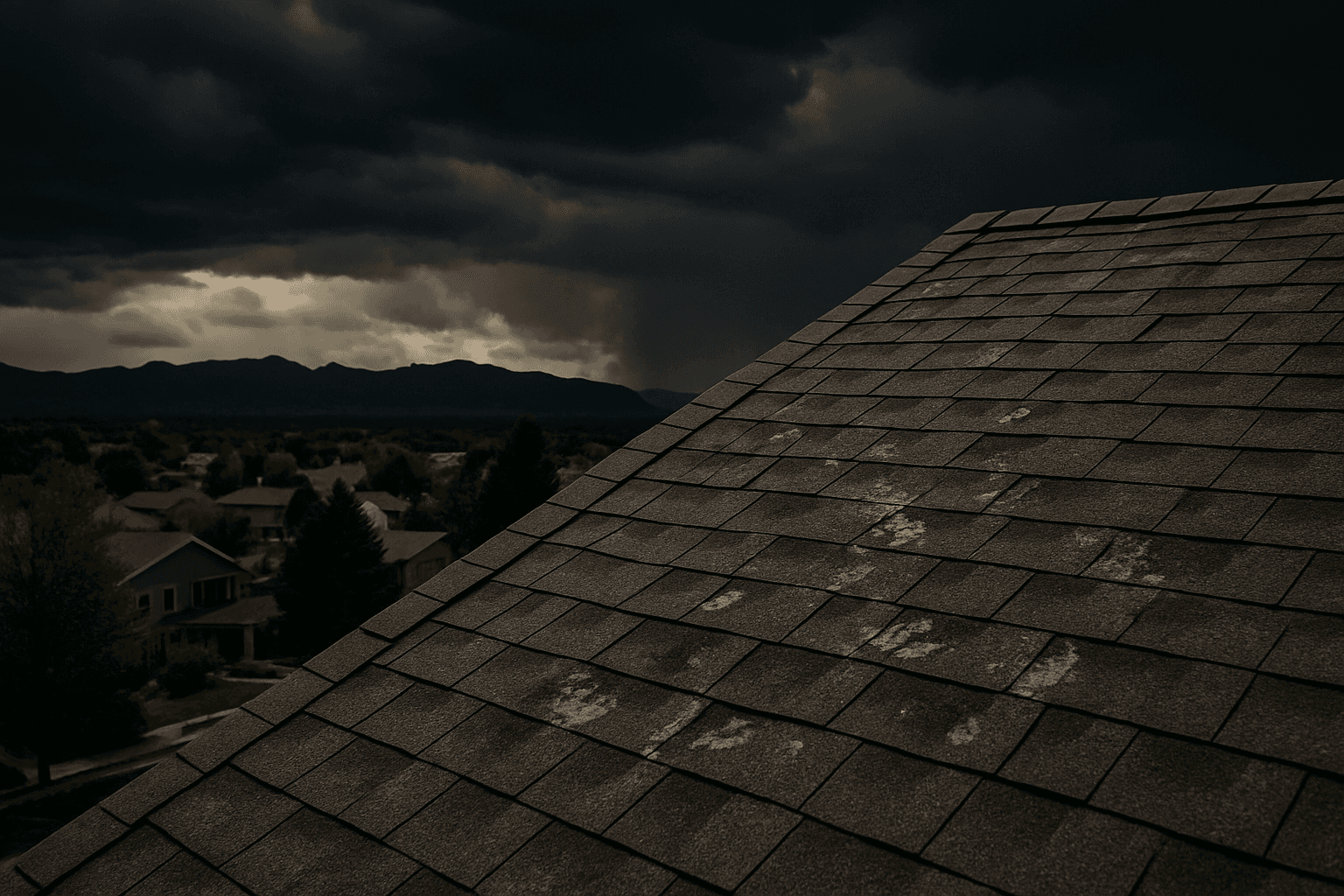
Understanding the Latest Hail Maps: How They Can Help You Protect Your Home in Denver
As a homeowner in Denver, the unpredictable weather can pose challenges, especially when it comes to hail storms. Understanding Denver hail maps is essential for protecting your home and minimizing potential damage. Hail damage can be costly, but with the right tools and insights, you can take proactive measures to safeguard your property. In this article, we’ll explore the importance of hail maps, how to interpret them, and the benefits they offer for homeowners and roofing contractors alike.
What Are Denver Hail Maps?
Denver hail maps are visual representations that indicate areas affected by hail storms. These maps provide critical information about the size, intensity, and duration of hail events, helping homeowners assess their risk. Interactive hail maps, such as those from NOAA and local weather services, allow users to view real-time storm data and historical hail activity.
Why Are Hail Maps Important?
Hail is a common occurrence in Colorado, with the state experiencing an average of 10-15 hail storms each year. According to Coloradoan, the past 24 hours alone have seen reports of tornadoes, large hail, and high winds across the region. Understanding current and past hail activity helps homeowners make informed decisions about their property.
Using Denver hail maps can:
- Assess Risk: Knowing the hail history in your area helps you understand the potential for future damage.
- Plan Repairs: If your home has been affected by previous storms, knowing when hail strikes can help you schedule timely repairs.
- Inform Insurance Claims: Accurate data from hail maps can support your claims with insurance companies, ensuring you receive the coverage you deserve.
How to Interpret Denver Hail Maps
Reading a hail map may seem complicated at first, but it’s quite straightforward once you know what to look for. Here are the key components to help you interpret them effectively:
1. Hail Size Indicators
Hail maps often use color coding to signify different hail sizes. Typically, smaller hail (pea-sized) is represented by lighter colors, while larger hail (golf ball-sized or larger) is shown in darker shades. Understanding these indicators can help you gauge the severity of a storm.
2. Storm Track
Most hail maps will show the path of the storm, indicating where hail fell and its intensity. This information is crucial for homeowners to determine whether their property may have been affected.
3. Historical Data
Many hail maps also provide historical data, allowing you to see how frequently hail has impacted your neighborhood. This is particularly helpful for long-term planning and risk assessment.
4. Real-Time Updates
Most interactive maps are updated in real-time, providing the latest information on hail activity. Staying informed with these updates can help you make timely decisions regarding your home’s protection.
The Benefits of Using Hail Maps for Homeowners and Contractors
Homeowners and roofing contractors alike can benefit from the insights provided by Denver hail maps. Here’s how:
For Homeowners:
- Proactive Measures: By monitoring hail activity, you can take proactive measures to protect your home, such as moving vehicles to a garage or covering outdoor furniture.
- Assessing Damage: After a storm, hail maps can help you determine if your property was in the affected area, allowing for quicker assessment and response.
- Insurance Preparation: Accurate data from hail maps can be instrumental in filing insurance claims, making the process smoother and more efficient.
For Roofing Contractors:
- Targeted Services: Contractors can use hail maps to identify areas that may require roof inspections or repairs, allowing for more targeted marketing and service offerings.
- Data-Driven Decisions: With access to real-time data, contractors can make informed decisions about resource allocation and project planning.
- Building Trust: Providing clients with insights from hail maps demonstrates expertise and builds trust, as homeowners feel more secure in their decisions.
Conclusion
In a region known for its unpredictable weather and frequent hail storms, understanding Denver hail maps is a crucial step for homeowners looking to protect their properties. By staying informed about storm patterns and potential damage, you can make proactive decisions that safeguard your home and investment. Whether you’re assessing risk, planning repairs, or filing insurance claims, hail maps are an invaluable resource.
For roofing contractors, embracing these tools can lead to better service delivery and increased client satisfaction. At Alpine Peak Roofing, we leverage advanced tools and insights to help homeowners navigate the challenges of hail damage effectively.
To learn more about how we manage this and stay ahead of the storm, visit alpinepeakroofing.com. See how we do it and empower yourself with the right information to protect your home today.