Understanding Your Roof's Hail Resistance: What Every Denver Homeowner Should Know
As a homeowner in Denver, you’re likely all too familiar with the unpredictability of Colorado weather. From sunny skies to sudden hailstorms, understanding your roof's hail resistance is crucial to protecting your most significant investment—your home. In this guide, we’ll delve into the importance of hail damage roof inspections in Denver and how you can ensure your roof stands strong against the elements.
The Impact of Hail on Colorado Roofs
Denver is no stranger to hail. In fact, Colorado ranks among the top states for hail damage incidents. According to the National Oceanic and Atmospheric Administration (NOAA), hailstorms can cause significant damage, leading to costly repairs and frustrating insurance claims. Just last week, rolling storm damage reports highlighted instances of large hail and high winds affecting the Denver metro area.
Hail can vary in size, with some stones reaching up to 2.75 inches in diameter, causing extensive damage to roofs, siding, and windows. In a recent storm, the Denver area experienced hail that resulted in numerous reports of damage, underscoring the importance of regular inspections and maintenance.
Hail Damage Roof Inspection: What to Expect
Conducting a hail damage roof inspection in Denver is essential for homeowners, particularly after a hailstorm. Here’s what you can expect during this process:
-
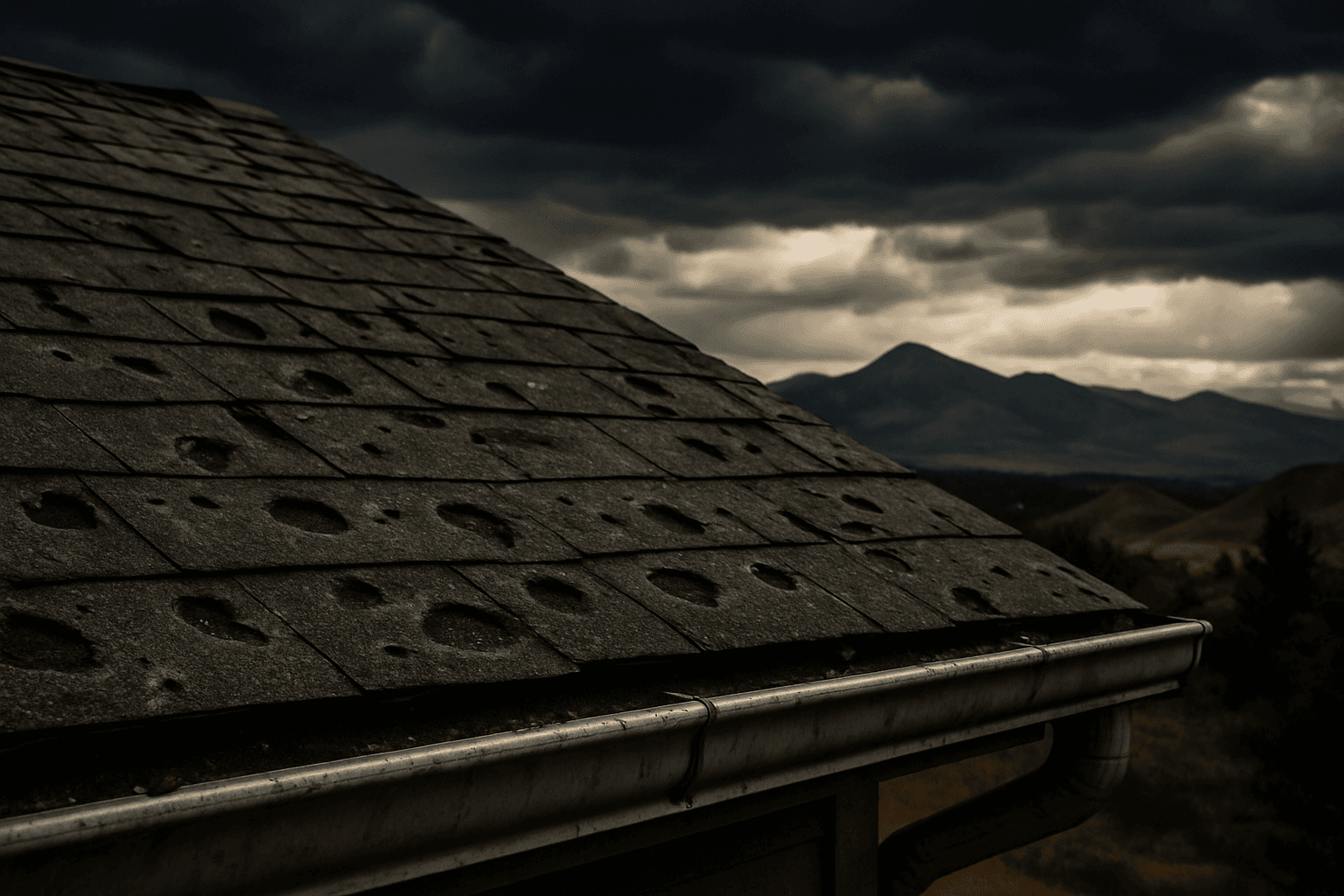
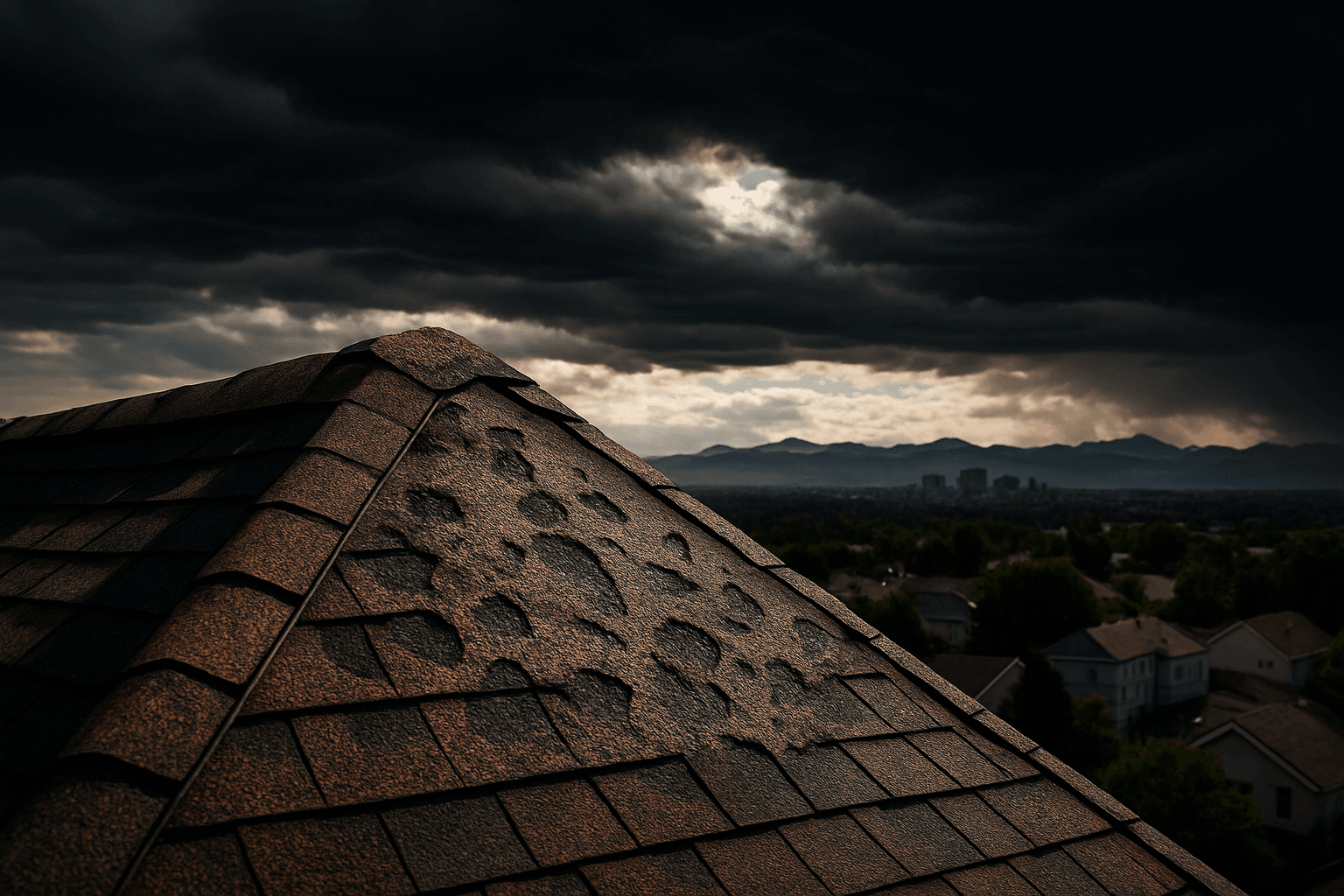
Visual Assessment: A professional will start with a thorough visual inspection of your roof. They will look for visible signs of damage, such as missing shingles, dents, or cracking in roofing materials.
-
Detailed Analysis: Inspectors will also check for less visible damage. This might involve examining the roof’s underlying structure, ensuring there are no hidden vulnerabilities that could lead to leaks or further issues.
-
Material Evaluation: Different roofing materials have varying levels of hail resistance. Your inspector will evaluate the material used for your roof and its ability to withstand hail damage. For example, asphalt shingles may suffer more damage than metal roofs, which can withstand larger hailstones.
-
Recommendations: After the inspection, you’ll receive a detailed report outlining any damage found, along with recommendations for repairs or replacements. This report is crucial for insurance claims and future maintenance planning.
Enhancing Your Roof's Hail Resistance
To protect your home, consider enhancing your roof's hail resistance. Here are some strategies:
-
Choose Impact-Resistant Materials: When replacing or upgrading your roof, consider impact-resistant roofing materials. Products that meet the UL 2218 Class 4 rating are designed to withstand hail without significant damage.
-
Regular Maintenance: Regular roof maintenance can help identify potential issues before they turn into costly repairs. Ensure your gutters are clear, and inspect your roof for wear and tear, especially after a hailstorm.
-
Conduct Periodic Inspections: Schedule regular inspections, especially after severe weather events. A proactive approach can save you money in the long run by addressing small issues before they escalate.
Understanding Your Insurance Coverage
Many homeowners are unaware of their insurance coverage regarding hail damage. In Colorado, most homeowners’ insurance policies cover hail damage, but it’s essential to review your specific policy details. Here are some tips:
-
Review Your Policy: Understand what damage is covered, your deductible, and any limitations or exclusions related to hail damage.
-
Document Damage: After a storm, document any visible damage with photos and notes to assist in filing a claim.
-
Work with Trusted Professionals: Partner with reputable roofing contractors who can help you navigate the claims process and ensure your roof is repaired correctly.
Conclusion
As a Denver homeowner, understanding your roof's hail resistance is vital for protecting your home from the unpredictable Colorado weather. Regular hail damage roof inspections are key to identifying vulnerabilities and ensuring that your roof can withstand future storms. By choosing impact-resistant materials, conducting regular maintenance, and understanding your insurance coverage, you can safeguard your investment and enjoy peace of mind.
For more insights on how we manage roof inspections and maintenance, see how we do it at alpinepeakroofing.com. Don't wait until the next storm hits—take action now to protect your home from hail damage.